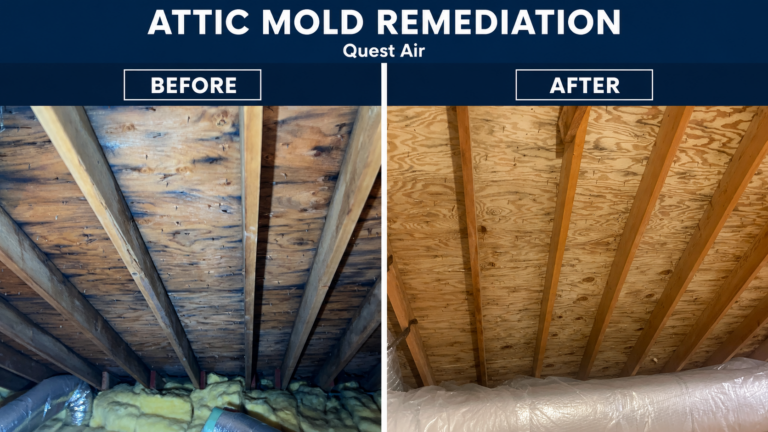

Mold problems are not always obvious. In many homes, mold grows quietly behind walls, under flooring, or inside ceilings long before homeowners realize there is an issue. While some people associate mold only with visible black spots or musty odors, the reality is that mold exposure can affect your health even when you cannot see it.
If you or someone in your household has been feeling “off” for weeks or months with no clear explanation, your home environment may be playing a role. Understanding the warning signs of mold-related health issues can help you act early, before the problem worsens.
This guide explains how mold can affect your health, the symptoms to watch for, and when it is time to call a professional mold remediation company.
How Mold Exposure Can Affect Your Health
Mold releases microscopic spores into the air. When inhaled, these spores can irritate the respiratory system and trigger immune responses. Some molds also produce substances known as mycotoxins, which may cause more severe reactions in sensitive individuals.
Not everyone reacts to mold in the same way. One person may experience noticeable symptoms, while another living in the same home feels fine. However, prolonged exposure can gradually impact health, especially when mold is widespread or hidden.
People most at risk include children, seniors, individuals with asthma or allergies, and anyone with a weakened immune system.
Common Health Symptoms Linked to Mold Exposure
Mold-related symptoms often resemble other conditions, which is why they are frequently overlooked. Pay attention if multiple symptoms appear together or persist without improvement.
Respiratory Issues
Mold commonly affects breathing and lung function. Symptoms may include:
-
Chronic coughing or throat irritation
-
Wheezing or shortness of breath
-
Nasal congestion or sinus pressure
-
Frequent sneezing or post-nasal drip
If symptoms improve when you leave the house and return when you come back, that is a strong indicator of an environmental issue.
Allergy-Like Reactions
Even people without a history of allergies can develop reactions to mold exposure, such as:
-
Itchy or watery eyes
-
Skin rashes or hives
-
Persistent runny nose
-
Red or irritated skin
These reactions often worsen in damp areas of the home, such as basements or bathrooms.
Headaches, Fatigue, and Brain Fog
Many homeowners report neurological symptoms without realizing mold may be involved, including:
-
Frequent headaches or migraines
-
Difficulty concentrating
-
Chronic fatigue
-
Feeling unusually sluggish or mentally cloudy
These symptoms can build slowly over time, making them easy to dismiss as stress or lack of sleep.
Worsening of Asthma or Existing Conditions
For individuals with asthma or chronic respiratory conditions, mold exposure can:
-
Increase the frequency of asthma attacks
-
Reduce the effectiveness of inhalers or medications
-
Cause chest tightness or breathing discomfort
Children exposed to mold are particularly vulnerable to developing respiratory sensitivities.
Hidden Mold Is Often the Most Dangerous
One of the biggest misconceptions about mold is that if you cannot see it, it cannot hurt you. In reality, hidden mold can cause just as many health problems as visible growth.
Common hidden mold locations include:
-
Behind drywall after plumbing leaks
-
Under flooring following water damage
-
Inside ceiling cavities
-
Behind kitchen cabinets or bathroom vanities
-
Inside HVAC systems or ductwork
In these cases, homeowners may experience symptoms long before mold becomes visible.
Warning Signs Mold May Be Affecting Your Health
Beyond physical symptoms, there are environmental clues that often accompany mold-related health issues.
-
A persistent musty or earthy odor
-
Recent water damage, leaks, or flooding
-
Condensation on windows or walls
-
Warped drywall, peeling paint, or bubbling surfaces
-
Symptoms that worsen during humid weather
When health symptoms and home conditions align, mold should not be ruled out.
Why DIY Mold Cleanup Can Make Health Issues Worse
Many homeowners attempt to clean mold themselves using bleach or household sprays. While this may temporarily remove surface staining, it often leaves the underlying problem untouched.
Improper cleanup can:
-
Release additional mold spores into the air
-
Spread contamination to other areas
-
Fail to address moisture sources
-
Give a false sense of resolution
Disturbing mold without proper containment and filtration can actually increase airborne exposure, worsening health symptoms.
When to Call a Professional Mold Remediation Company
You should contact a professional if:
-
Health symptoms persist or worsen without explanation
-
Mold returns after repeated cleaning
-
You smell mold but cannot find the source
-
There has been water damage within the last year
-
Multiple rooms are affected
-
Children or vulnerable individuals are experiencing symptoms
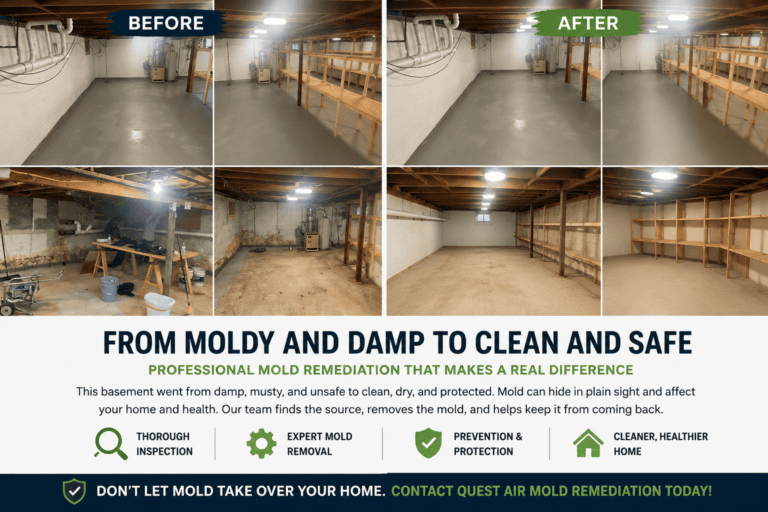
Professional mold remediation addresses the full scope of the problem, not just what is visible.
What Professional Mold Remediation Does Differently
A professional remediation team:
-
Identifies hidden mold sources
-
Uses containment to prevent cross-contamination
-
Employs HEPA air filtration to reduce airborne spores
-
Removes contaminated materials safely
-
Addresses moisture issues to prevent recurrence
This process protects both your home and your health.
Trust Your Body and Your Home
Your body often detects environmental issues before your eyes do. Persistent symptoms, especially when combined with moisture problems or musty odors, should not be ignored.
Mold exposure is not something to panic about, but it is something to take seriously. Early action can prevent long-term health effects and extensive property damage.
If you suspect mold may be affecting your health, consulting a professional mold remediation company can provide clarity, relief, and peace of mind.