Most homeowners don’t walk into their basement expecting to find a mold problem. In many cases, mold develops slowly over time due to excess moisture, water intrusion, or high humidity. By the time visible mold appears, the underlying issue may have been present for months or even years.
Recognizing the early warning signs can help you address the problem before it spreads throughout your home.
1. Water Stains on Basement Walls or Floors
Water stains are often one of the first signs that moisture is entering your basement. Whether caused by foundation seepage, heavy rain, plumbing leaks, or poor drainage, persistent moisture creates the ideal environment for mold growth.
Look for:
- Brown or yellow staining
- Dark patches on concrete walls
- Damp spots that return after rain
- Discoloration near floor joints
Even if the basement feels dry today, previous water intrusion may have already allowed mold to develop behind finished walls or on exposed masonry.
2. A Persistent Musty Odor
One of the most common signs of mold is a musty smell that never seems to go away.
Many homeowners describe it as:
- Damp
- Earthy
- Old or stale
- Similar to wet cardboard
Even if you can’t see mold, that odor often indicates hidden microbial growth behind walls, under flooring, or inside porous building materials.
If your basement always smells musty despite cleaning or using dehumidifiers, it’s worth having it professionally inspected.
3. White Powder on Concrete Walls (Efflorescence)
Many homeowners mistake white powdery deposits for mold.
In reality, this is often efflorescence, a mineral residue left behind when water travels through concrete or masonry. While efflorescence itself isn’t mold, it tells an important story:
Water is moving through your foundation.
That same moisture can create ideal conditions for mold growth on wood framing, drywall, insulation, and other organic materials.
If you’re seeing efflorescence, you should also investigate the source of the moisture.
4. Peeling Paint or Flaking Walls
Moisture trapped behind painted masonry eventually causes coatings to fail.
Watch for:
- Bubbling paint
- Peeling paint
- Flaking concrete coatings
- Cracked or blistered wall finishes
These problems usually indicate that moisture is pushing through the foundation walls. Left untreated, that moisture can eventually lead to mold growth.
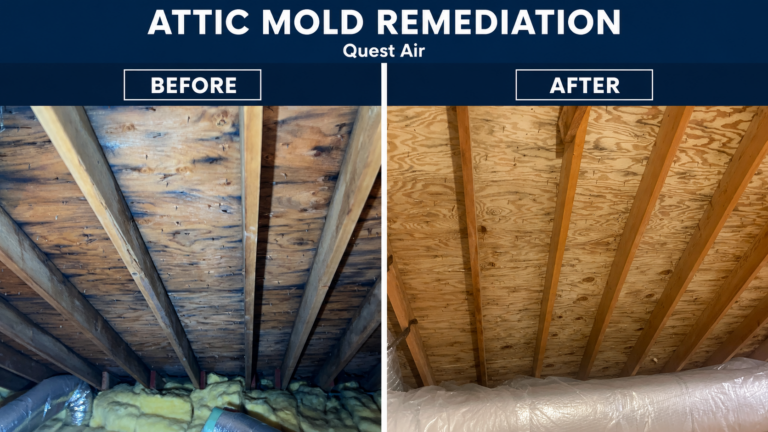
5. Visible Mold Growth
Sometimes the warning signs become impossible to ignore.
Visible mold may appear as:
- Black spots
- Green patches
- White fuzzy growth
- Brown or gray discoloration
Keep in mind that mold is not always black. It can appear in many different colors depending on the material it’s growing on and the species involved.
If mold is visible, avoid disturbing it. Scrubbing or scraping mold without proper containment can release spores into the air and spread contamination to other parts of the home.
6. High Humidity in the Basement
Even without standing water, excessive humidity can allow mold to grow.
Signs include:
- Condensation on pipes
- Damp air
- Moisture on windows
- Rust forming on tools or appliances
- Cardboard boxes becoming soft
- Clothing or stored items feeling damp
Basements naturally stay cooler than the rest of the home, making them more susceptible to condensation and elevated humidity levels.
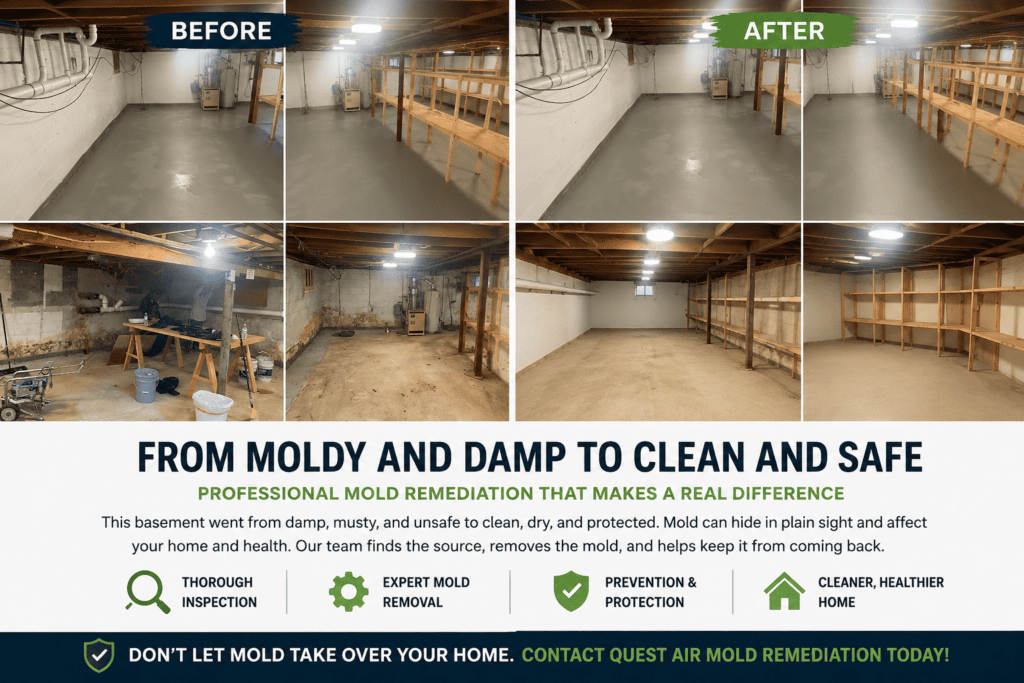
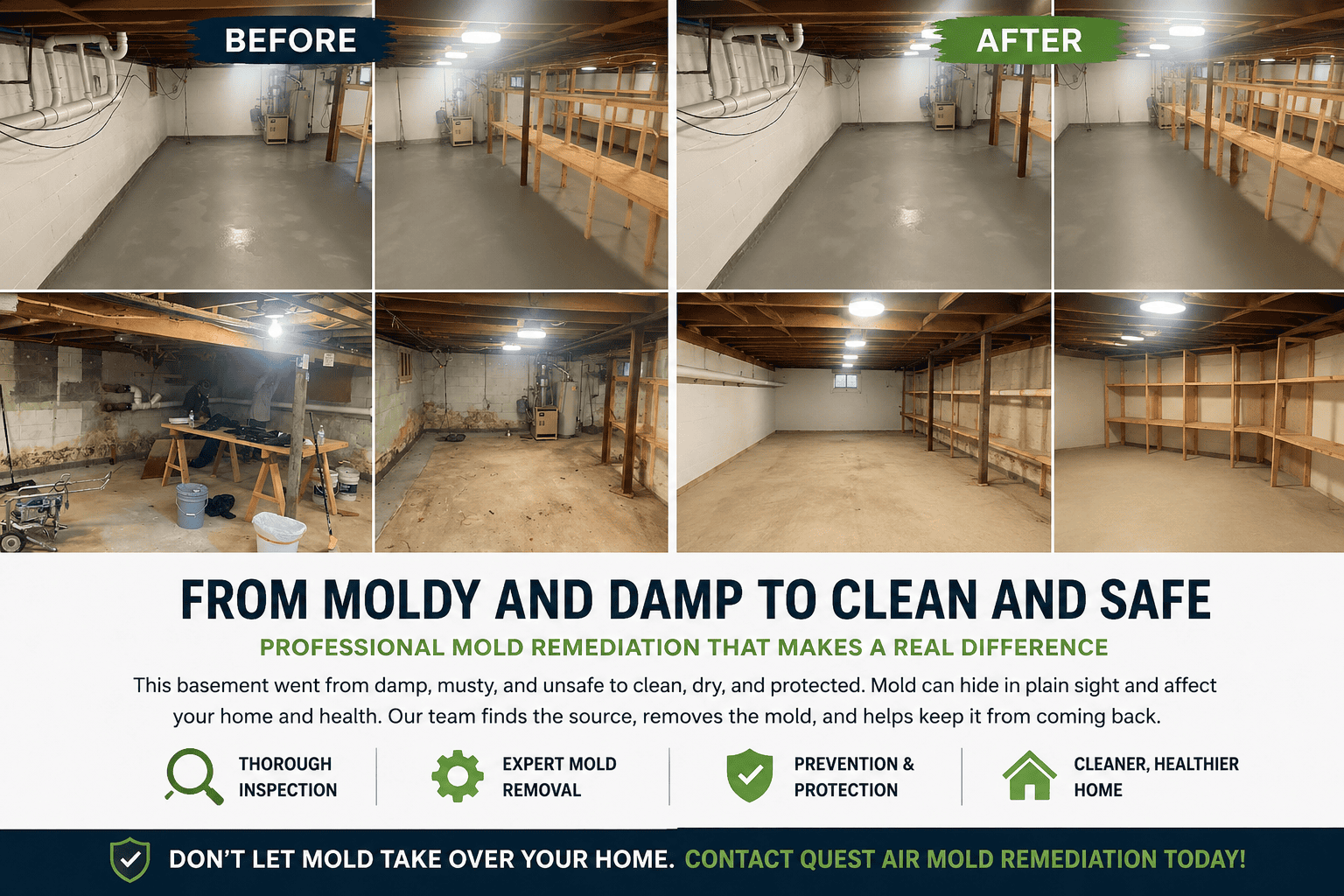
A Real Basement Transformation
The basement shown below displayed several common warning signs, including moisture staining along the foundation walls, visible discoloration, and conditions that allowed mold to develop.
After professional mold remediation, cleaning, and encapsulation, the space was transformed into a clean, dry, and usable basement.
Before
- Water staining on foundation walls
- Visible mold contamination
- Damp conditions
- Unprotected masonry surfaces
After
- Mold professionally removed
- Walls cleaned and encapsulated
- Bright, clean appearance
- A healthier environment for the homeowner
(Insert your before-and-after collage here.)
Don’t Ignore the Warning Signs
Mold problems rarely resolve on their own. In fact, they often become larger and more expensive to address as moisture continues to enter the space.
If you’ve noticed water stains, musty odors, peeling paint, visible mold, or consistently high humidity in your basement, a professional inspection can help determine the source of the problem and the best course of action.
At Quest Air Mold Remediation, we identify the cause of mold growth, safely remove contamination, and help restore basements to clean, healthy spaces. The sooner the issue is addressed, the easier it is to protect both your home and your indoor air quality.